What is a Dermatofibroma?

Dermatofibromas are small, firm skin growths, often measuring less than half an inch in diameter. They occur due to an overgrowth of different types of cells within the dermis, the skin’s second layer. The colour of a dermatofibroma can vary, including pink, red, brown, or grey hues.

Dermatofibroma

What causes a Dermatofibroma?

Dermatofibromas are usually caused by a minor injury to the skin, such as a cut, scratch, or insect bite, that triggers an overgrowth of certain cells in the deeper layer of the skin (the dermis).

In some cases, they can also appear without any clear reason. Essentially, it’s your body’s way of forming extra tissue while healing a small area of skin damage.

Dermatofibroma removal methods

1. Surgical Excision
The most effective option. The whole growth is removed under local anaesthetic, and the area is stitched closed. It may leave a small scar.

2. Shave Excision
The top of the lump is shaved off to make it flatter and less visible. It’s quick but may not remove the growth completely.

3. Cryotherapy (Freezing)
The lump is frozen with liquid nitrogen. This can make it smaller or lighter, but it usually doesn’t remove it fully.

Why Choose Chequers Health

Consultant Led Care

Fast and Effective Services

Modern and Comfortable Setting with Ample Parking

Patients from Bolton, Bury, Manchester, Wigan and the Northwest choose Chequers Health for professional Minor Skin Surgery.

Our Treatment Process

Consultant-Led Care, Guided by Best Clinical Practice

Affordable Dermatofibroma removal

Consultation £50

Dermatofibroma removal £50


Contact Us for More Information

They are truly the best among all the centres offering a range of services, including intravenous iron infusions. The staff were exceptionally kind, professional, and genuinely caring — I felt completely comfortable and well looked after throughout my visit.

Marwa A

Our Consultants

Dr. Ibrahim Hamami
Dr. Ibrahim Hamami
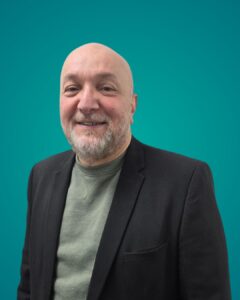
Dr. Ibrahim Hamami is an experienced General Practitioner with over 30 years of medical expertise. A graduate of 1989, he has built a distinguished career grounded in excellence and patient-centered care. In addition to his extensive clinical background, Dr. Hamami has contributed to medical education as a trainer and examiner at King’s College and Imperial College London, and as a PLAB examiner. At our practice, Dr. Hamami leads our minor surgery services, providing skilled and compassionate care backed by decades of professional experience.

Frequently Asked Questions

No. Dermatofibromas are benign (non-cancerous) and generally harmless. However, some people choose to have them removed for cosmetic reasons or if the growth causes discomfort, itching, or tenderness.

They most commonly appear on areas exposed to the elements, such as the arms and legs, but can develop anywhere on the body.

Who is most likely to develop a dermatofibroma?

You may consider removal if the growth is painful, itchy, or tender, or if it affects your confidence or comfort due to its appearance.

The procedure is minimally invasive and performed under local anaesthesia. The area is numbed, the growth is carefully excised, and the site is stitched closed. The process is quick and generally well-tolerated.

Some minimal scarring may occur, but it is usually small and fades over time. You’ll be given aftercare instructions to help the area heal properly and reduce visible scarring.

No, the area is numbed with local anaesthesia before the procedure. You may feel a small sting when the anaesthetic is applied, but the removal itself is typically painless.

Recovery is usually quick, and most people can return to normal activities immediately after the procedure. The healing process continues over the following days or weeks as the area fully recovers.

At Chequers Health, our experienced specialists provide professional, minimally invasive skin growth removal with expert aftercare and a focus on your comfort and cosmetic satisfaction.