

Sleep Apnoea Lifestyle Guide with Everyday Sleeping Tips
Living with sleep apnoea in Bolton is not always straightforward. The broken nights, the morning fatigue, the difficulty concentrating through the day. It all adds up. But whilst medical treatment plays a central role in managing the condition, the habits and choices built into daily life can make an equally significant difference to how well you sleep and how you feel.
This guide covers practical, everyday steps that support better sleep and long-term symptom management for people living with sleep apnoea in Bolton.
Understanding the Condition
Sleep apnoea is a breathing disorder that causes repeated interruptions to breathing during sleep. Each pause reduces oxygen levels and disrupts the natural sleep cycle, leaving the body unable to rest and recover properly. The result is persistent tiredness, poor concentration and, over time, an increased risk of serious health conditions including high blood pressure and heart disease.
For people managing sleep apnoea in Bolton, combining the right medical treatment with consistent lifestyle habits is the most effective approach to controlling symptoms and protecting long-term health.
Maintain a Healthy Weight
Excess body weight is one of the most significant contributors to obstructive sleep apnoea. Fatty tissue around the neck and throat places pressure on the airway, making collapse during sleep more likely. Losing weight can reduce this obstruction, improve breathing during sleep and ease daytime fatigue considerably.
Even modest weight loss can produce a noticeable improvement in symptoms. For Bolton residents carrying excess weight alongside a sleep apnoea diagnosis, this is often one of the first areas the team at Chequers Health Centre will discuss as part of a personalised management plan.
Stick to a Consistent Sleep Routine
Going to bed and waking up at the same time each day helps the body maintain its natural sleep-wake rhythm. A regular routine reduces sleep disruptions, makes it easier to fall asleep and improves overall sleep quality over time. For people with sleep apnoea in Bolton, irregular sleep patterns can worsen fatigue and make symptoms feel more pronounced, so consistency here is worth prioritising.
Pay Attention to Sleep Position
Sleeping on your back allows the tongue and soft tissues to fall backwards under gravity, narrowing the airway and making breathing interruptions more likely. Switching to sleeping on your side can reduce snoring and the frequency of apnoea episodes for many people.
A supportive pillow placed behind the back can help maintain a side sleeping position through the night. Slightly elevating the head of the bed may also help, and is a simple adjustment that Bolton patients often find beneficial alongside other treatment measures.
Reduce Alcohol and Avoid Sedatives
Alcohol and sedative medications both relax the throat muscles beyond their normal resting state, significantly increasing the risk of airway collapse during sleep. Avoiding alcohol in the three to four hours before bed is a straightforward change that can have a meaningful impact on overnight breathing. For anyone managing sleep apnoea in Bolton, sedative medications should only ever be taken under medical guidance.
Keep the Airway Clear
Nasal congestion makes breathing through the nose more difficult and can worsen sleep apnoea symptoms. Using a humidifier in the bedroom adds moisture to the air and can ease congestion overnight. Saline nasal sprays are a simple, medication free option for keeping nasal passages clear before sleep. If congestion is a persistent problem for Bolton residents, it is worth raising with your GP or with the specialists at Chequers Health Centre.
Use Your Treatment Equipment Every Night
If you have been prescribed CPAP therapy or an oral appliance, consistency is everything. Using the device every single night is what makes the treatment effective. Keep the equipment clean and well maintained, and attend follow up appointments with your sleep specialist to ensure the therapy continues to work as well as it should. For Bolton patients receiving treatment through Chequers Health Centre, ongoing support and monitoring is available at every stage of the process.
Stay Physically Active
Regular exercise supports a healthy weight, improves cardiovascular health and enhances sleep quality. It does not need to be intense to be beneficial. For people with sleep apnoea in Bolton, even a daily walk makes a meaningful difference over time. One thing worth bearing in mind is timing. Vigorous exercise too close to bedtime can make it harder to fall asleep, so try to finish more demanding workouts at least two to three hours before bed.
Build Good Sleep Hygiene Habits
The environment and routine surrounding sleep matters more than most people realise. Keeping the bedroom cool, quiet and dark creates better conditions for uninterrupted rest. Reducing screen time in the hour before bed helps the mind wind down naturally. A consistent pre sleep routine signals to the body that it is time to sleep and can make settling down easier each night. These are habits that Bolton patients are often encouraged to develop alongside their medical treatment.
Track Your Symptoms
Keeping a simple sleep diary can be genuinely useful, both for your own awareness and for appointments with a specialist. Note down things like how often you wake in the night, how intense the snoring seems, how rested you feel in the morning and how your energy holds up through the day. Sharing this information with the team at Chequers Health Centre helps Bolton patients get the most from their consultations and supports better treatment decisions over time.
Know When to Seek Professional Help
Lifestyle changes support treatment but they do not replace it. If you are a Bolton resident experiencing persistent snoring or observed breathing pauses, if daytime fatigue is affecting your work or daily life, if your blood pressure is elevated or difficult to control, or if you have an underlying heart condition, it is important to speak to a sleep specialist without delay. Early intervention consistently leads to better outcomes and reduces the longer term health risks associated with untreated sleep apnoea.
Chequers Health Centre in Bolton offers specialist sleep apnoea assessments with no GP referral required, making it straightforward to take that first step.
Get Personalised Sleep Apnoea Assessment from sleep specialists at Chequers Health in Bolton and Knutsford.
Managing sleep apnoea well is an ongoing commitment rather than a single fix. For people living with the condition in Bolton, the combination of appropriate medical treatment and consistent daily habits gives the best foundation for better sleep, improved energy and long term health.
Small changes, maintained over time, add up to a meaningful difference. With the right approach and the right support from Chequers Health Centre, living well with sleep apnoea in Bolton is entirely achievable.
To book a sleep apnoea consultation in Bolton, call +44 1204 928850.
Related Articles
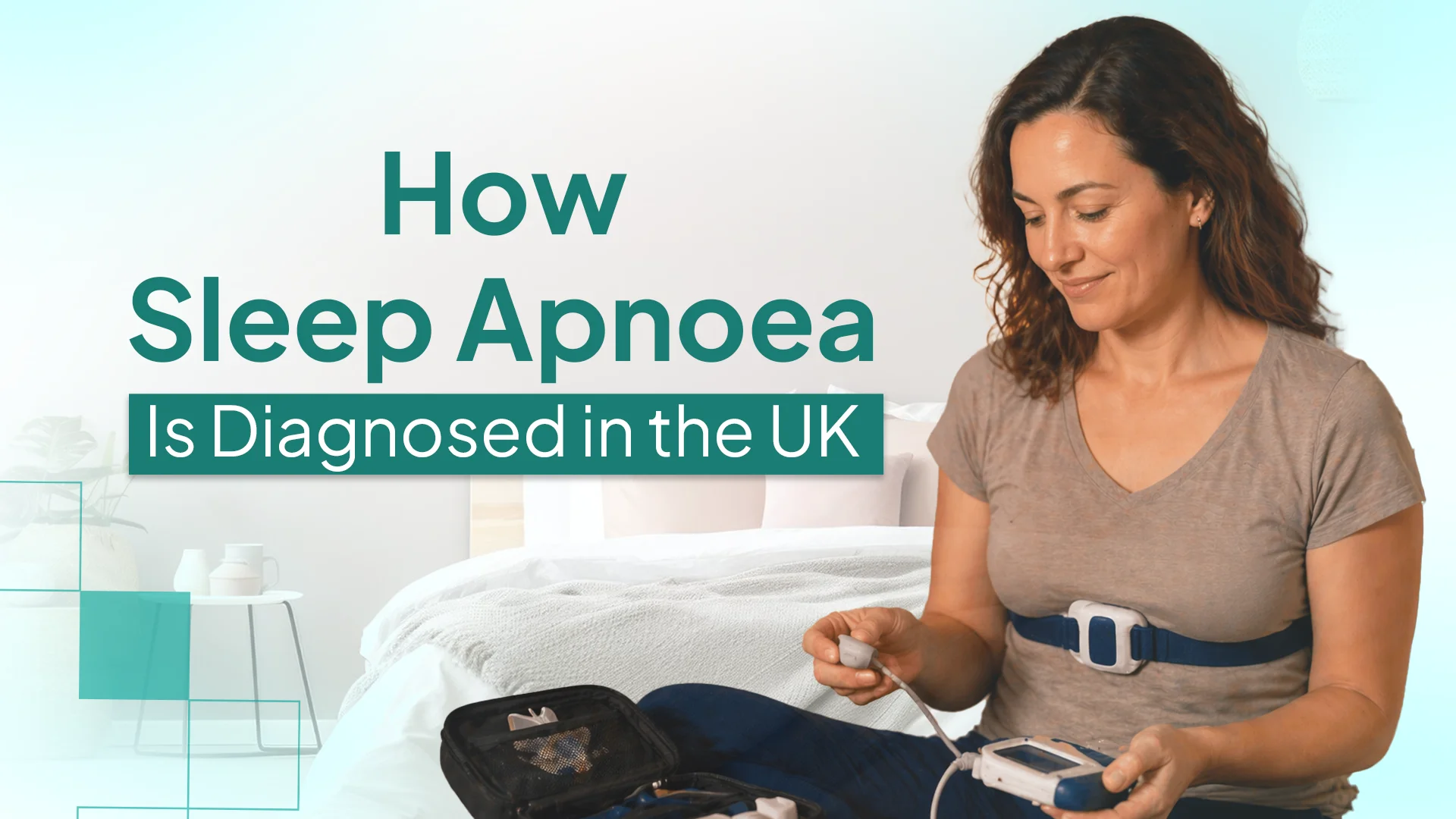
How Sleep Apnoea Is Diagnosed in the UK
Sleep Apnoea Diagnosis in the UK

Benefits and Side Effects of CPAP Therapy for Sleep Apnoea in Knutsford
For patients in Knutsford with moderate to severe sleep apnoea, CPAP therapy is usually the first recommended treatment.