
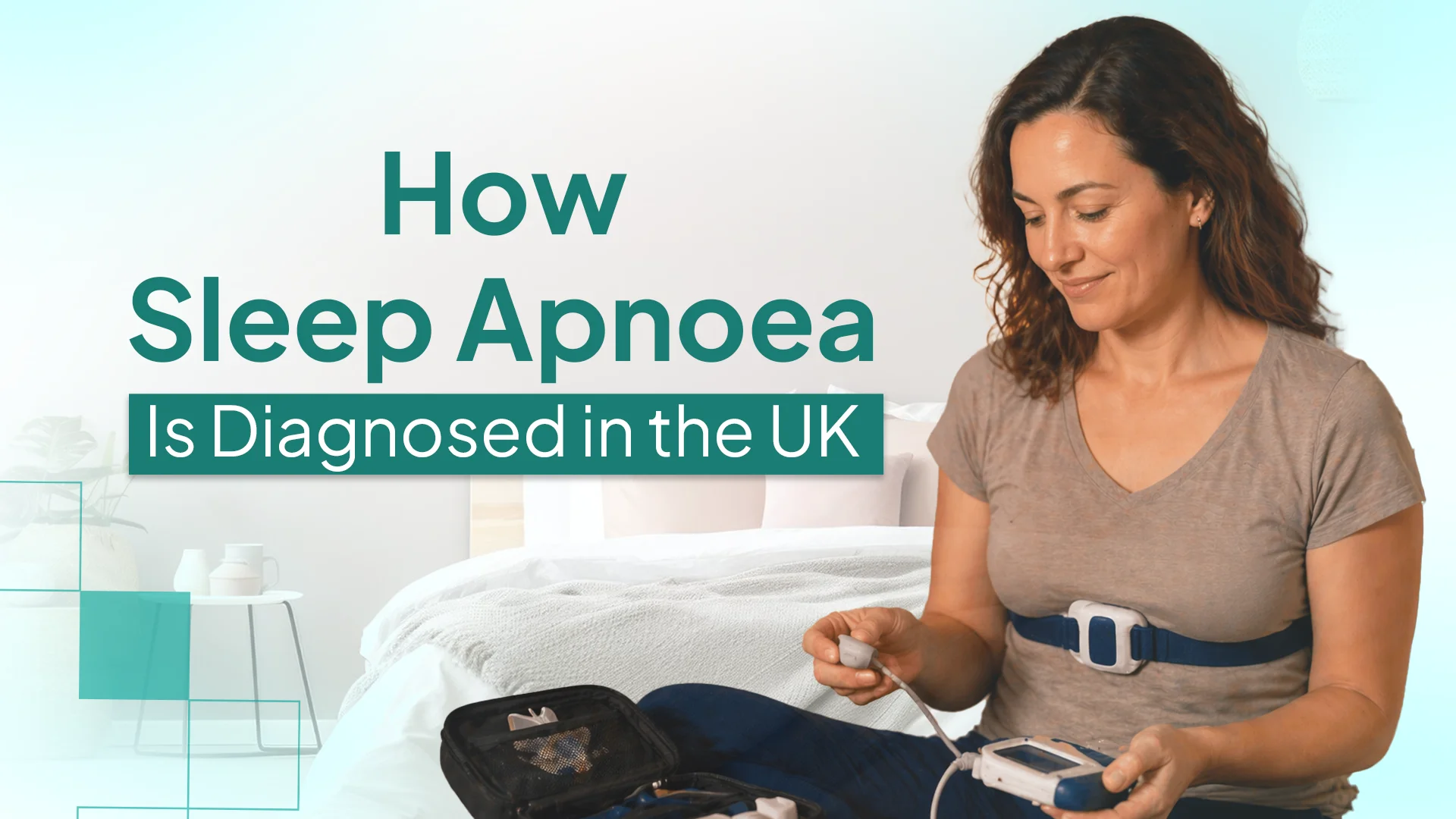
How Sleep Apnoea Is Diagnosed in the UK
Diagnosis of sleep apnoea in the UK is essential for patients who experience interrupted sleep or difficulty breathing during the night. Sleep apnoea is a widespread condition which may have serious health effects if left untreated, including heart disease, high blood pressure, and daytime fatigue. Proper diagnosis ensures patients receive appropriate treatment, whether through CPAP therapy, oral appliances, or lifestyle interventions. At Chequers Health Group in Bolton & Knutsford, patients are offered a 24-hour home sleep study.
What is Sleep Apnoea?
Sleep apnoea is a sleep disorder that disrupts normal breathing. It may lead to reduced oxygen levels, disturbed sleep, and an increased risk of cardiovascular and metabolic diseases.
The main types include:
Obstructive Sleep Apnoea (OSA): Occurs due to blocked airways. This is the most common form in the UK.
Central Sleep Apnoea (CSA): The brain fails to send proper signals to the breathing muscles.
Complex sleep apnoea is a condition in which both obstructive sleep apnoea (OSA) and central sleep apnoea (CSA) occur together.
Importance of Accurate Diagnosis of Sleep Apnoea
Accurate diagnosis of sleep apnoea in the UK ensures patients receive the correct treatment based on the severity and type of the condition. Delays or misdiagnosis can lead to long-term health complications and reduced quality of life. Diagnosis allows specialists to develop a personalised treatment plan that addresses both symptoms and underlying causes.
Before a sleep study is arranged, many patients are assessed using screening tools such as the Epworth Sleepiness Scale (ESS) or the STOP-Bang questionnaire, which help identify the likelihood of sleep apnoea.
Sleep apnoea severity is measured using the Apnoea–Hypopnoea Index (AHI):
- Mild: 5–14 events per hour
- Moderate: 15–29 events per hour
- Severe: 30 or more events per hour
This scoring helps determine the most appropriate treatment approach.
Diagnosis of Sleep Apnoea in the UK
Sleep Studies
The main test used to diagnose sleep apnoea is a sleep study in the UK. These tests monitor breathing patterns, oxygen levels, heart rate, and in some cases brain activity during sleep.
Sleep studies may be conducted:
- In a clinic or hospital: Patients stay overnight under professional supervision, and sleep specialists analyse the recorded data.
- At home (Home Sleep Study): Portable devices allow patients to complete the test at home, measuring airflow, oxygen levels, and snoring.
Specialist Consultation
Consulting a sleep specialist is essential. The specialist reviews medical history, symptoms, and sleep study results to confirm the diagnosis and recommend appropriate treatment.
Home Sleep Test
A home sleep study allows patients to undergo testing in the comfort of their own home. A portable device monitors sleep and breathing patterns, and the data is later analysed in clinic to provide an accurate diagnosis.
General Principles of the Sleep Apnoea Diagnostic Process
- Initial Consultation: A specialist will discuss your symptoms, medical history, lifestyle, and risk factors such as weight, alcohol intake, and snoring history.
- Sleep Study (Clinic or Home): A sleep study is arranged either at home or in a specialist sleep clinic to measure breathing patterns, oxygen levels, heart rate, and sleep stages.
- Specialist Review: Results are analysed, the diagnosis is confirmed, and the severity of sleep apnoea is assessed using AHI scoring.
- Treatment Recommendation: A personalised treatment plan is recommended, which may include CPAP therapy, oral appliance therapy, lifestyle changes, or positional therapy.
- Follow-Up Care: Follow-up appointments or repeat sleep studies are arranged to monitor progress and ensure treatment remains effective over time.
Sleep Apnoea Testing at Chequers Health Group
Chequers Health Group provides expert sleep apnoea diagnosis services in the United Kingdom at Chequers Health Centre Rushlake Drive, Bolton BL1 3RL and at The Dental Studio in Knutsford. Services include:
- Sleep laboratory testing using advanced equipment
- Comfortable and convenient home sleep studies
- Professional guidance from private sleep specialists
- Individualised treatment plans based on diagnostic result
Take the first step towards better sleep today. Contact Chequers Health Group to get started.
Phone: +44 1204 928850
When to Get Tested for Sleep Apnoea?
You should see a sleep specialist if you experience:
- Loud snoring or choking during sleep
- Excessive daytime sleepiness
- Morning headaches
- Noticed pauses in breathing during sleep
- Symptoms that persist despite lifestyle changes
You may also be at higher risk if you are overweight, over the age of 40, or consume alcohol regularly, particularly in the evening.
Early diagnosis improves treatment outcomes and reduces the risk of complications.
Accurate diagnosis of sleep apnoea in the UK is the first step towards better sleep and improved health. Chequers Health Centre in Bolton and Knutsford provides professional, convenient, and reliable sleep testing services, including both clinic-based and home sleep studies. Timely diagnosis enables effective treatment and improved quality of life.
Disclaimer
This content is for informational purposes only and is not medical advice. Sleep disorders should always be diagnosed and treated by a qualified medical professional.
FAQs (Frequently Asked Questions)
A clinic sleep study is monitored overnight by specialists, while a home sleep study allows patients to record sleep data at home using portable devices. Both provide accurate results.
An overnight sleep study typically lasts 6–8 hours, while a home sleep study usually requires one night of monitoring.
The consultation at Chequers Health Centre does not require a referral for private services. Patients can book directly by phone on +44 1204 928850.
Yes, children can be assessed for sleep apnoea using specialised paediatric sleep studies.
Results are usually analysed within a few days to one week, after which a specialist consultation is arranged to discuss the treatment plan.
Sleep apnoea is usually a long-term condition, but it can be effectively managed and significantly improved with the right treatment such as CPAP or lifestyle changes.
Related Articles
Sleep Apnoea in Women, Why World Sleep Day Is the Time to Pay Attention
Sleep is vital to your health, yet often overlooked. This World Sleep Day, recognise that constant fatigue, brain fog, or poor sleep in women may signal sleep apnoea. Early diagnosis can help prevent serious health risks and improve your overall wellbeing.