
Sleep Apnoea in Women, Why World Sleep Day Is the Time to Pay Attention
Life can be busy and sleep is often the first casualty. Still, it’s one of the most important pillars of good health.
World Sleep Day serves as a wake-up call to remind us that good sleep isn’t just rest it influences our energy levels, heart health, mental health, and more general quality of life.
Many women experience constant fatigue and mental focus problems and sleeping difficulties which people mistakenly identify as stress, busy life or normal ageing. The person experiences abnormal symptoms which indicate that they need medical help. Medical professionals follow established guidelines to determine whether symptoms are normal or indicate a possible health problem.
Sleep apnoea stands as a frequent medical issue which remains unknown to most people.
Sleep apnoea causes temporary breathing stoppages during sleep that results in both sleep interruptions and daytime exhaustion. The condition remains underdiagnosed because it shows different symptoms in women compared to men. Research shows that between 75 and 90 percent of women with sleep apnoea remain undiagnosed because their symptoms differ from the symptoms which medical professionals typically associate with men.
We want women to understand what sleep apnoea might look like, why it matters and when it might be worth seeking a professional sleep assessment.
What Is Sleep Apnoea?
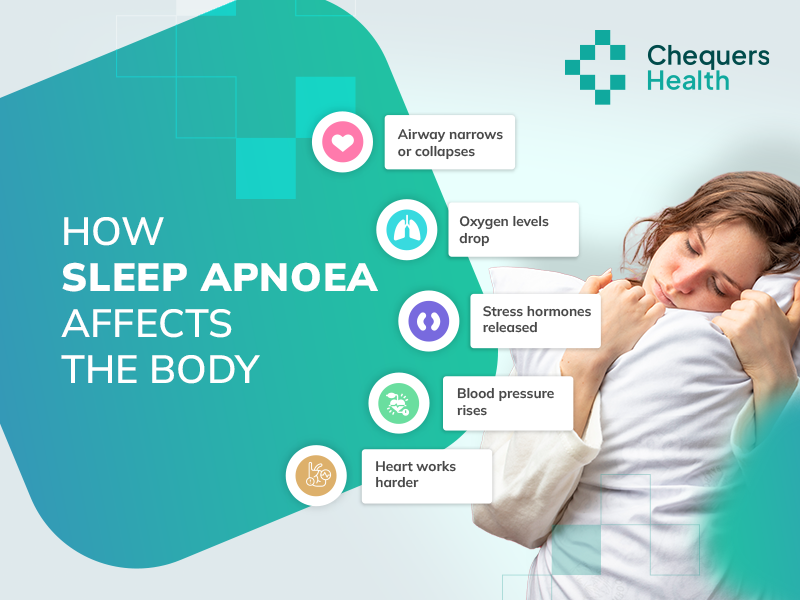
Sleep apnoea constitutes a respiratory condition that occurs during sleep. The most common form, obstructive sleep apnoea (OSA), occurs when the muscles at the back of the throat relax and narrow or block the airway while you sleep. The condition leads to breathing halts which happen throughout the night in combination with very weak breathing patterns.
Every time breathing is interrupted, oxygen levels drop slightly and the brain briefly rouses you, so breathing can restart, even if you do not remember it in the morning. The body experiences nightly stress responses which prevent complete restorative sleep because of this continuous cycle. The body will experience exhaustion after numerous nights of sleeping because the individual spent many hours in bed.
Why Sleep Apnoea in Women Is Often Overlooked
Sleep apnoea was long regarded as a male disorder because its characteristic symptoms, such as loud snoring and apparent breathing cessations, are more frequently reported among men. But the narrative of women and sleep apnoea is quite different according to the research.
Women have historically been underdiagnosed and underrepresented in sleep apnoea research because they experience milder breathing interruptions, apnoeas, and different clusters of symptoms than men and thus do not always align with the stereotypical sleep apnoea narrative. Therefore, women experience significant underdiagnoses because their symptoms are more subtle and tend to be blamed on stress, anxiety, hormonal shifts such as menopause, or they’re just busy, tired.
Women with OSA are significantly more prone to report fatigue and tiredness rather than classical sleepiness. These symptoms can also be reported in mood disorders, headaches and poor sleep quality, all common in depression, anxiety or insomnia, possibly resulting in a delay in diagnosis and treatment.
Common Symptoms Women Should Not Ignore
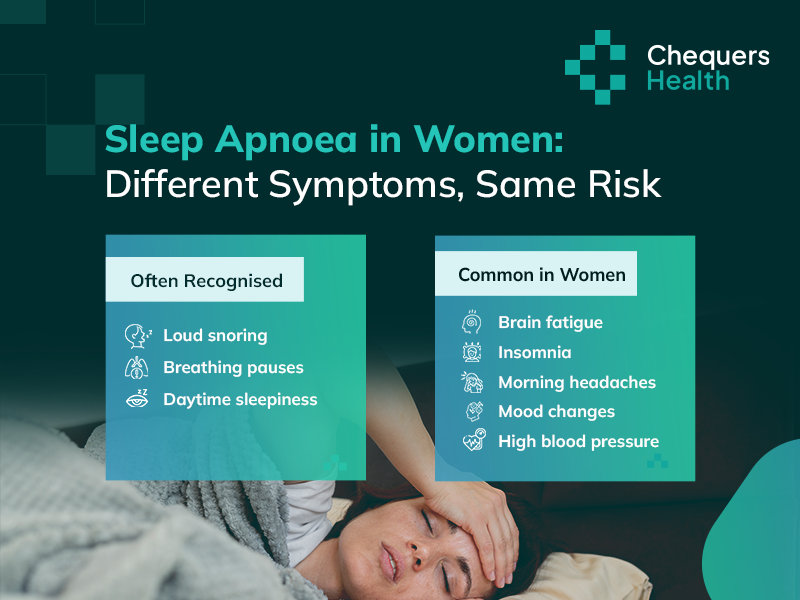
The symptoms of sleep apnoea can be diverse, but common experiences among women that should not be ignored include:
- Feeling tired on a regular basis despite getting a full night’s sleep
- Waking up feeling like you didn’t sleep
- Difficulty concentrating or experiencing persistent brain fog
- Feeling irritable or noticing changes in mood
- Headaches in the morning
- Insomnia or broken sleep
- Snoring
- Gasping for air or choking while sleeping, even if only mildly
- High blood pressure that is difficult to manage
Women typically describe these symptoms as part of their normal day-to-day experience whether in activity or hormones. But when these symptoms pattern, they may be an indication of sleep apnoea, which is breathing interruptions in the night. It’s important to recognize these symptoms because sleep is necessary for energy, attention, mood and general well-being.
Why World Sleep Day Emphasises the Health Risks of Poor Sleep
Tiredness is not the only consequence of sleep apnoea. The body, particularly the heart and cardiovascular system, is put under stress by the chronic breathing cessations and oxygen desaturations during sleep. This may eventually lead to the development of serious health conditions such as high blood pressure, greater cardiovascular workload and risk for heart disease, increased risk for stroke, elevated risk for developing type 2 diabetes, and diminished overall quality of life and mental health.
This is a reminder of the importance of sleep for your overall health. Sleep isn’t just rest, it’s really power walking for your body when it comes to energy, concentration, and mood regulation. It also promotes the functioning of your immune system and your physical well-being in the long run. Becoming aware of your sleep and seeking treatment for any problems sooner rather than later can really impact how you feel day to day and your long-term health.
Temporary effects include irritability, impaired concentration, and compromised physical health. Women with undiagnosed sleep apnoea could be losing years of effective treatment and better quality of life simply because their symptoms were not identified, a new study suggests.
Life Stages That Increase Risk for Women
A woman can be predisposed to sleep apnoea at certain points in life, predominantly those with hormonal flow.
Pregnant women can have altered breathing patterns at night, by hormonal factors, and also due to the mechanical pressure on the lungs by the growing uterus. Some investigations suggest that sleep-disturbed breathing in pregnancy is associated with an increased risk of pregnancy-induced hypertension and metabolic derangement, that alone increased vigilance and evaluation during this stage of life is warranted.
Women seem to be at reduced risk of sleep apnoea than men of the same age pre-menopause. But that risk rises after menopause, probably connected to the decline of the protective hormones, estrogen and progesterone. This may result in more respiratory events during the night in addition to increased anxiety feelings, disrupted sleep and morning headaches.
They’re phases of life when fatigue and sleeplessness are distinctly expected. Rather than simply accepting these changes as inevitable by-products of ageing or hormone fluctuation, it can be validating to learn that sleep apnoea could be a factor.
When Should You Consider a Sleep Assessment?
It's normal to feel nervous when discussing your sleep issues, but identifying trends over time and getting help is a key part of taking care of your health. Get a sleep assessment if you experience unexplained fatigue not due to lifestyle modifications, have high blood pressure that's difficult to control, develop new or worsening symptoms after menopause, wake frequently at night, or have headaches and/or mood changes in the morning.
Getting a professional opinion doesn't obligate you to any one therapy. It just gives you a little more clarity, a chance to know a little bit more about what is going on with your sleep and your health.
Supporting Women’s Sleep Health Every Day
The body requires sleep as a basic necessity, in the same way it requires food and water. Energetic sleep is the cornerstone to have energy, concentration, mood and health in general. It bolsters the immune system, enhances mental clarity, and may help guard against long-term physical decline. When women identify their symptoms and get support, they are able to increase their energy, focus and quality of life. Focusing on getting enough sleep is one of the best ways to maintain both physical and mental health.
Chequers Health provides home-based sleep testing with expert clinical review, which enables women to start their sleep improvement process through home-based sleep testing. A sleep assessment can explain your ongoing fatigue issues, which persist even after you sleep enough to meet your needs.
If your post-menopausal state brings you extreme fatigue and other symptoms, then your condition extends beyond normal hormonal fluctuations.
This World Sleep Day is a wake-up call for everyone to recognize the value of sleep for health, energy and the well-being of the public. Recognizing sleep deprivation or disruption and taking measures to improve sleep can help you determine and feel more alert, energetic and resilient. Prioritising healing sleep is among the best things you can do to promote your long-term health.
Frequently Asked Questions
Yes. Although it has historically been considered more common in men(13%), sleep apnoea in women is frequently underdiagnosed. Many women experience symptoms differently, which can delay recognition and diagnosis.
Sleep apnoea symptoms in women can be subtle. You may not have loud snoring. Instead, look for persistent fatigue, insomnia, morning headaches, mood changes, brain fog, or high blood pressure. If you wake feeling unrefreshed despite a full night in bed, it may be worth considering a sleep assessment.
Women are less likely to report loud snoring and more likely to experience persistent fatigue, insomnia, morning headaches, mood changes, and difficulty concentrating. These symptoms are sometimes mistaken for stress or hormonal changes.
Common triggers include airway narrowing during sleep, weight gain, menopause related hormonal changes, alcohol, smoking, and family history.
Treatment depends on severity and may include CPAP therapy, oral appliances, or lifestyle adjustments. A sleep assessment determines the most suitable option.
In selected cases, newer options such as advanced CPAP devices and hypoglossal nerve stimulation may be considered following specialist evaluation.
Yes, untreated sleep apnoea can affect both short-term wellbeing and long-term health. It can increase accident risk due to daytime sleepiness and contribute to cardiovascular problems. Early diagnosis and treatment significantly reduce these risks.
Yes. Hormonal changes during peri menopause and post-menopause can increase the risk of sleep-disordered breathing. Declining oestrogen and progesterone may affect airway stability during sleep.
Untreated sleep apnoea can contribute to high blood pressure. Repeated drops in oxygen during sleep trigger stress responses in the body, which can increase strain on the heart and blood vessels.
Consider a sleep assessment if you regularly wake up feeling unrefreshed, experience persistent daytime fatigue, have high blood pressure that is difficult to control, notice worsening exhaustion after menopause, or have been told that you stop breathing during sleep.
Yes. Not all women with sleep apnoea snore heavily. If you experience ongoing fatigue, brain fog, or unrefreshing sleep, it may be worth discussing a sleep assessment.
Yes. Proper diagnosis and treatment can improve sleep quality, energy levels, concentration, mood, and may reduce long-term cardiovascular risk.