
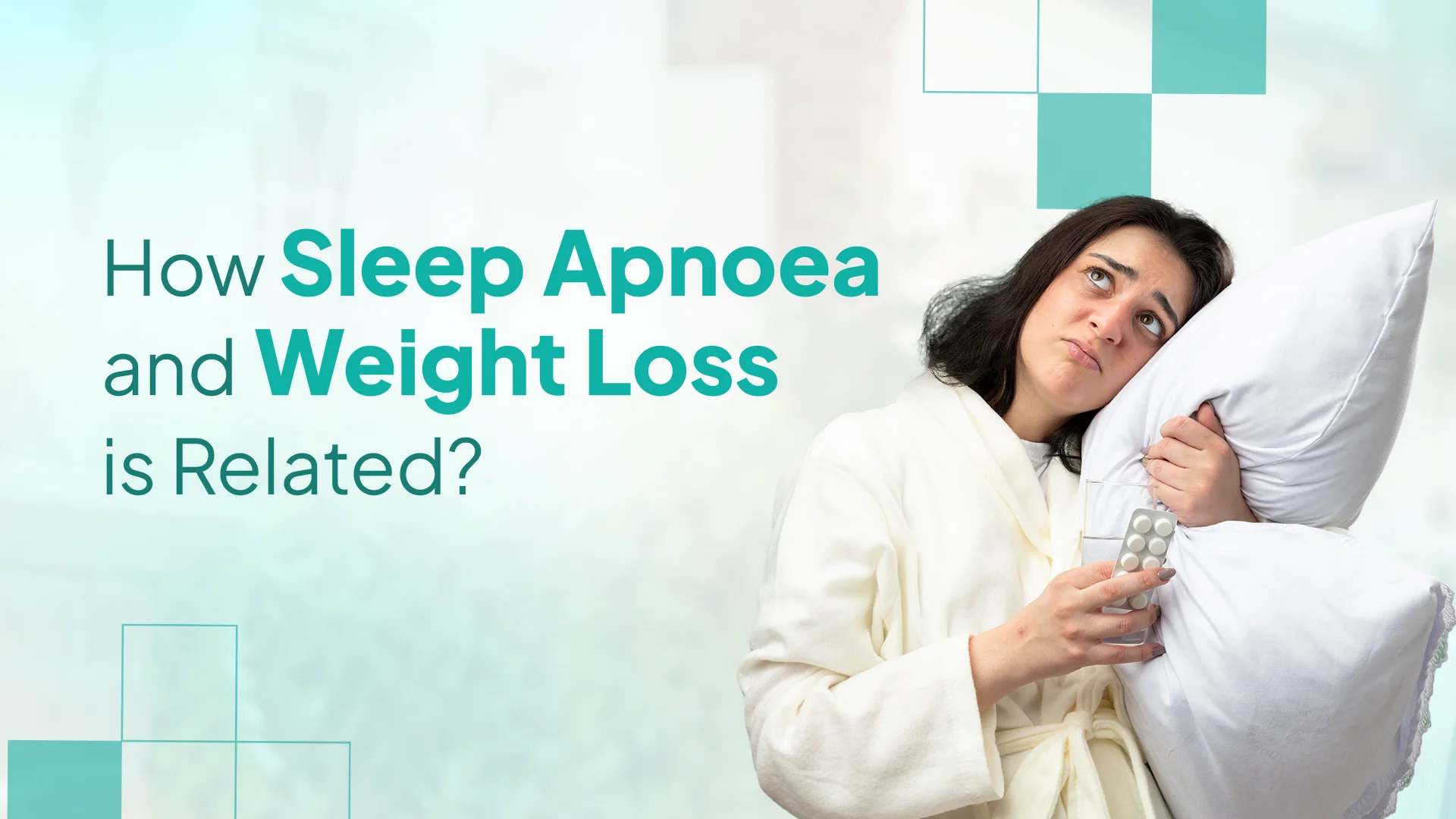
How Weight Loss Is Related to Sleep Apnoea ?
There is a clear and well established connection between excess body weight and sleep apnoea, and it is an important one to understand. While sleep apnoea can affect people of all body types, excess weight remains one of the most significant and modifiable risk factors.
For many individuals seeking support at Chequers Health Centre in Bolton and Knutsford, managing weight is not only beneficial for overall health, but it can also lead to real and measurable improvements in sleep apnoea symptoms and day to day wellbeing.
How Excess Weight Contributes to Sleep Apnoea ?
When excess fatty tissue builds up around the neck and upper airway, it can place pressure on the breathing passages during sleep. This increases the likelihood of the airway narrowing or collapsing, which is the main cause of obstructive sleep apnoea.
Even a relatively small increase in weight can make a difference. It may worsen existing sleep apnoea or trigger symptoms in someone who was previously borderline. In addition, reduced muscle tone in the airway linked to weight gain can further increase the risk of airway obstruction during sleep, making symptoms more persistent over time.
Does Losing Weight Improve Sleep Apnoea?
For many people, particularly those with mild to moderate obstructive sleep apnoea, weight loss can lead to noticeable improvements. Research suggests that even a 5 to 10 per cent reduction in body weight can reduce the number and severity of breathing interruptions during sleep.
The benefits may include fewer apnoea events, improved oxygen levels, reduced snoring, better sleep quality and less daytime fatigue. In some cases, especially where sleep apnoea is strongly linked to weight, sustained weight loss may reduce the condition to a level where ongoing medical treatment is less intensive or occasionally no longer required. However, this varies from person to person and should always be confirmed by a sleep specialist at Chequers Health Centre in Bolton and Knutsford.
Take the first step to better sleep with expert support from Chequers Health Centre at Bolton and Knutsford
Practical Steps for Managing Weight Alongside Sleep Apnoea
Diet and Nutrition
Long term weight management is best achieved through sustainable changes rather than restrictive diets. A balanced approach that includes whole foods such as fruits, vegetables, lean proteins and wholegrains is recommended. Reducing processed foods, sugar and saturated fats can also support better health outcomes. Portion control and mindful eating are equally important for maintaining steady progress over time.
Physical Activity
Regular exercise plays an important role in weight management and can also improve sleep apnoea symptoms independently of weight loss. Activities such as walking, swimming and cycling support heart and lung health, while strength training helps improve muscle tone and metabolism. Consistency is more important than intensity, and even moderate daily activity can make a meaningful difference over time.
Lifestyle Adjustments
Certain lifestyle habits can directly affect sleep apnoea. Reducing or avoiding alcohol in the evening is particularly important, as alcohol relaxes the throat muscles and increases airway obstruction during sleep. Stopping smoking can reduce airway inflammation and improve breathing quality. Sleeping on your side rather than your back may also help reduce symptoms in some people. Maintaining a regular sleep routine can further support better sleep quality.
The Two-Way Relationship Between Sleep Apnoea and Weight
It is important to understand that the relationship between sleep apnoea and weight works both ways. Not only can excess weight worsen sleep apnoea, but untreated sleep apnoea can also make weight management more difficult.
Poor sleep affects the hormones that regulate appetite, often increasing cravings and making it harder to feel full. Ongoing fatigue can reduce motivation for exercise and daily activity. In some cases, sleep apnoea has also been linked to metabolic changes such as insulin resistance, which can further complicate weight control.
For this reason, treating sleep apnoea and managing weight together often leads to better long-term outcomes than addressing either issue in isolation. This is an approach the specialists at Chequers Health Centre in Bolton and Knutsford take with every patient they see.
When to Seek Help
You should consider a professional assessment if you experience:
- Loud snoring or choking sounds during sleep
- Excessive daytime tiredness or fatigue
- Breathing pauses noticed by a partner
- Morning headaches or poor concentration
- Difficulty losing weight despite healthy lifestyle changes
- A higher body weight alongside disturbed sleep
Early diagnosis and treatment can significantly improve both sleep quality and long-term health outcomes. If you are based in Bolton and Knutsford and recognise any of these signs, Chequers Health Centre is here to help.
Get expert sleep apnoea support in Knutsford today.
Sleep Apnoea and Weight Management at Chequers Health Centre, Bolton and Knutsford
Chequers Health Centre in Bolton and Knutsford offers specialist assessment and personalised treatment for sleep apnoea, including support for weight-related risk factors, for patients across the region.
Services include:
- Comprehensive sleep apnoea assessment and diagnosis
- Weight-related risk evaluation including BMI assessment
- Lifestyle and dietary advice
- CPAP therapy and oral appliance treatment
- Ongoing monitoring and follow-up care
No referral is required. Patients can contact Chequers Health Centre directly to arrange a consultation at a time that suits them.
The relationship between sleep apnoea and weight is closely connected and works in both directions. Excess weight can increase the risk and severity of sleep apnoea, while untreated sleep apnoea can make weight management more difficult.
Managing both together, with the right clinical support, offers the best chance of long-term improvement in symptoms, sleep quality and overall health. Chequers Health Centre in Bolton and Knutsford provides specialist support from diagnosis through to ongoing treatment and lifestyle guidance.
Disclaimer
This article is for informational purposes only and does not replace medical advice. Sleep apnoea should always be diagnosed and managed by a qualified healthcare professional.
To book a consultation at Chequers Health Centre in Bolton and Knutsford, call +44 1204 928850 today.
Frequently Asked Question
In some cases, particularly mild to moderate sleep apnoea linked to weight, significant and sustained weight loss can greatly reduce symptoms. However, whether treatment is still needed must always be confirmed by a specialist at Chequers Health Centre in Bolton and Knutsford.
A weight reduction of around 5 to 10 per cent can lead to noticeable improvements for many people, although results vary depending on individual circumstances and severity.
No. While weight is a major risk factor, sleep apnoea can also be caused by anatomy, genetics, age and other health factors.
Yes. Untreated sleep apnoea has been linked to changes in appetite hormones, reduced energy levels and metabolic imbalance, all of which can make weight management more difficult.
Not always. Some people may still need treatment depending on their condition. A sleep specialist at Chequers Health Centre in Bolton and Knutsford should always reassess after significant weight loss.
Related Articles
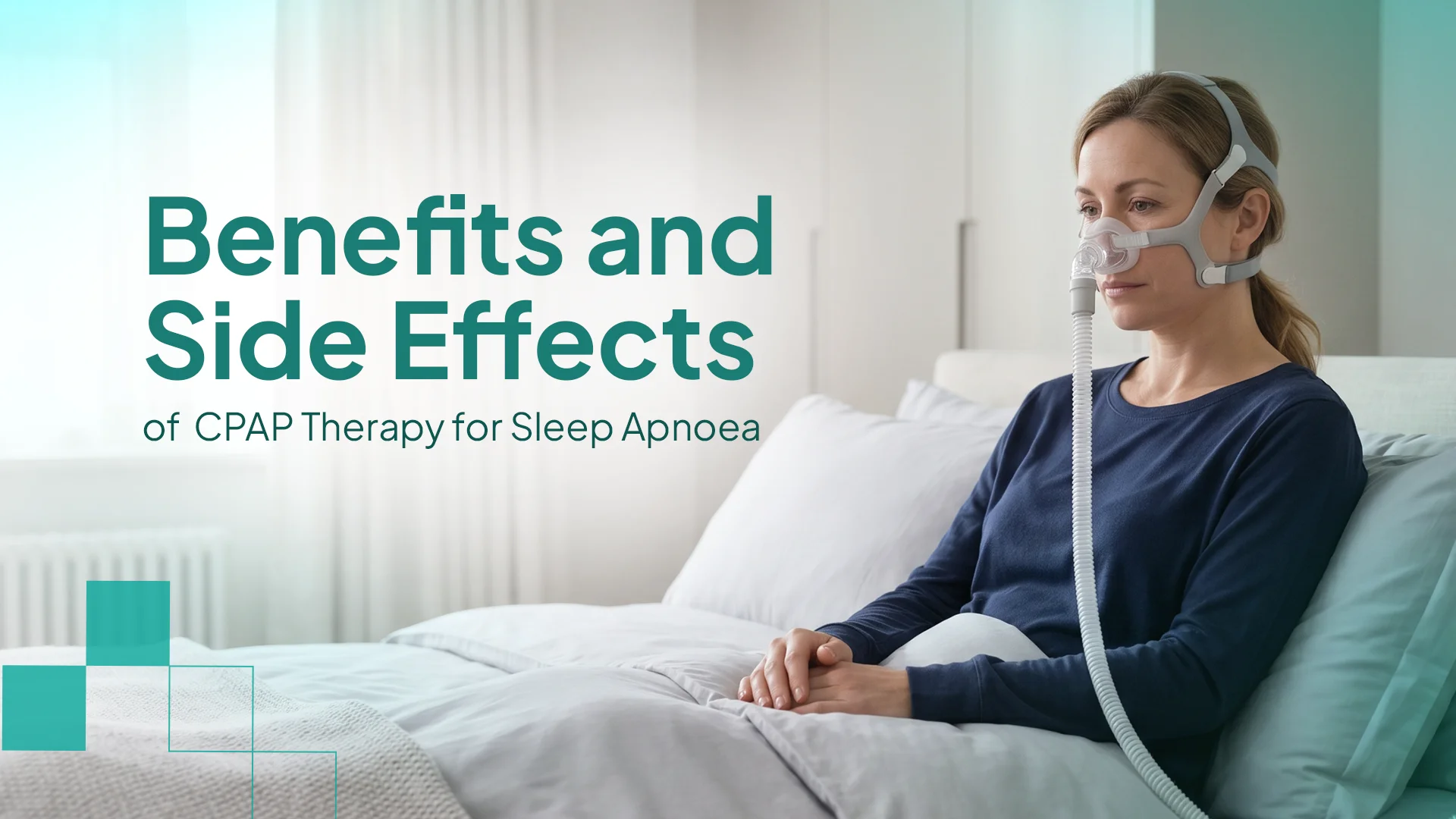
Benefits and Side Effects of CPAP Therapy for Sleep Apnoea in Knutsford
For patients in Knutsford with moderate to severe sleep apnoea, CPAP therapy is usually the first recommended treatment.

Everything You Need to Know About Sleep Apnoea Therapy in Bolton
Sleep apnoea therapy in Bolton & Knutsford helps diagnose and treat sleep-related breathing issues with expert care, improving sleep quality and overall health.

Sleep Apnoea Treatment in the UK Diagnosis, Choice and Specialist Care
Symptoms, diagnosis and treatment options of Sleep Apnoea.